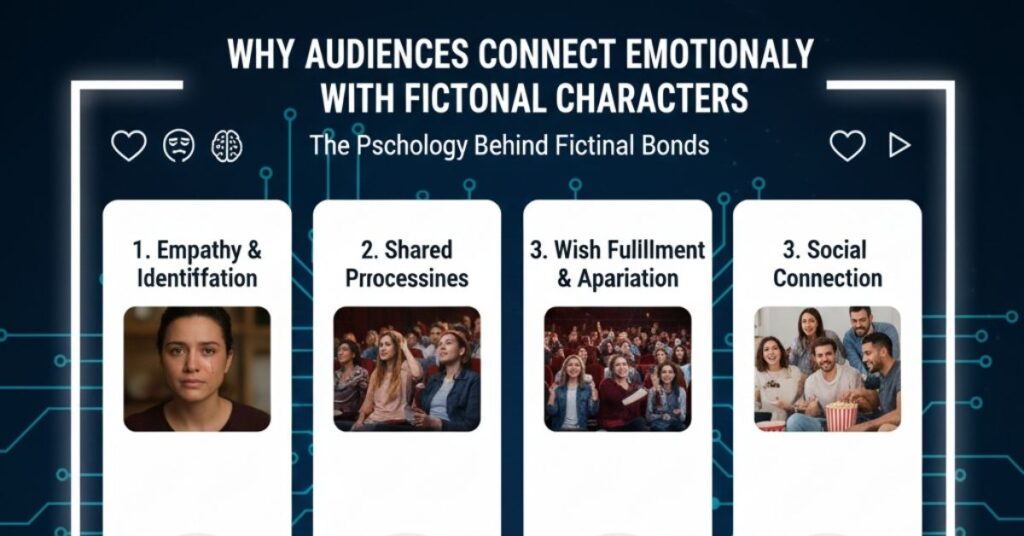
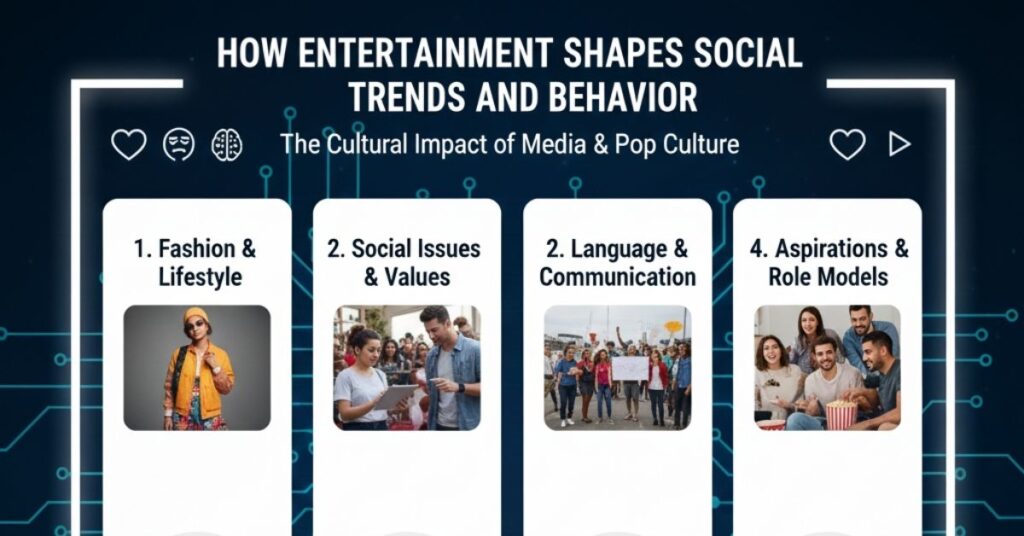
Entertainment is far more than just a source of leisure or amusement. It plays a crucial role in shaping culture, influencing individual and collective behavior, and reflecting societal values. From traditional storytelling and theater to modern films, television, music, and digital platforms, entertainment impacts how people perceive the world and interact with others. Understanding this influence helps us see the profound ways in which entertainment guides culture and behavior. Platforms like kappacourse frequently explore how media shapes trends, norms, and social conduct across different communities.
Entertainment as a Reflection of Culture
Mirroring societal values
Entertainment often acts as a mirror for the culture in which it exists. Films, television shows, music, and literature frequently depict prevailing beliefs, customs, and social expectations. By observing entertainment, audiences gain insight into societal priorities, attitudes, and conflicts. Historical dramas, for example, can highlight past traditions, social hierarchies, and cultural practices, while contemporary media might address issues such as gender equality, identity, or technological dependence.
Through these reflections, entertainment not only documents society but also reinforces and shapes the values and attitudes of its audience. Platforms such as kappacourse often highlight the role of media in transmitting cultural identity while inspiring conversation about evolving norms.
Preserving and transmitting culture
Entertainment also preserves and transmits culture across generations. Folktales, traditional music, theater, and dance have long conveyed moral lessons, customs, and shared knowledge. Modern media continues this role, embedding cultural symbols, narratives, and practices in music videos, films, and online content.
Globalization and digital platforms allow these cultural expressions to reach international audiences. This exposure encourages cross-cultural exchange, influencing behaviors and sometimes inspiring the adoption of new cultural elements. Discussions on kappacourse often emphasize how entertainment helps maintain cultural continuity while facilitating adaptation in a rapidly changing world.
Shaping Individual Behavior
Influence on attitudes and perceptions
Entertainment strongly affects how individuals view themselves and the world. Characters in films, television shows, or online content often become role models, influencing beliefs, personal values, and aspirations. For instance, depictions of beauty standards, success, or morality can shape self-image, ambitions, and social behaviors.
Advertising and celebrity culture within entertainment further shape lifestyle choices, consumer habits, and personal preferences. People may adopt behaviors, fashion trends, or hobbies based on the media they consume. Platforms like kappacourse provide insights into these phenomena, explaining how entertainment drives both conscious and subconscious behavioral changes.
Social learning through entertainment
Entertainment functions as a form of social learning. Viewers observe how characters interact, face challenges, and navigate consequences. Positive behaviors such as empathy, resilience, and cooperation can inspire audiences to replicate similar actions, while negative behaviors may normalize undesirable conduct if not critically assessed.
Educational media and public awareness campaigns embedded in entertainment demonstrate how behavioral modeling can guide individuals toward constructive choices and responsible living.
Influence on Collective Behavior
Driving trends and social movements
Entertainment can spark collective behavior and societal change. Popular films, music, and viral online content bring attention to social issues, motivating communities to engage in activism, philanthropic efforts, or cultural dialogue. Songs with social messages have historically inspired political movements, while documentaries and films often encourage public engagement with topics such as environmental conservation, equality, and social justice.
Digital platforms amplify entertainment’s reach, allowing it to influence millions almost instantly. Viral challenges, memes, and trending content can shape cultural norms, attitudes, and collective behavior, demonstrating the extensive societal impact of media. Platforms like kappacourse frequently explore the intersection of entertainment, culture, and behavior in such contexts.
Fostering shared cultural experiences
Entertainment creates shared experiences that bring communities together. Concerts, award shows, sports events, and blockbuster film releases serve as cultural touchpoints, generating conversation, collective excitement, and a sense of belonging. These shared experiences help define societal trends and reinforce group behaviors.
When audiences participate in entertainment-driven rituals or adopt trends showcased in media, they contribute to a common cultural identity. Entertainment thus plays a central role in shaping collective norms, values, and social practices.
Cultural Evolution Through Entertainment
Introducing new perspectives
Entertainment exposes audiences to diverse ideas, lifestyles, and worldviews. Science fiction, international films, and music introduce alternative narratives, expanding imagination and challenging conventional thinking. By presenting different experiences and viewpoints, entertainment encourages critical reflection and fosters cultural evolution.
Through these narratives, societies adapt to changing circumstances and gradually integrate new ideas into cultural practices. Insights from platforms like kappacourse often highlight how exposure to innovative entertainment content drives shifts in values, social attitudes, and behavioral norms.
Challenging societal norms
Entertainment can challenge and transform societal norms. Provocative or unconventional media content can spark debate, provoke reflection, and inspire change. Over time, repeated exposure to alternative narratives can redefine cultural expectations and guide behavioral shifts.
For example, films and shows that highlight gender equality, inclusivity, or social justice contribute to broader cultural acceptance and behavioral transformation. By challenging stereotypes and traditional assumptions, entertainment acts as a vehicle for societal progression.
The Psychological Impact of Entertainment
Emotional influence
Entertainment affects emotions, which in turn influence behavior. Films, music, and literature evoke feelings such as joy, sadness, fear, or inspiration. These emotional experiences can foster empathy, shape moral reasoning, and reinforce social values.
By influencing emotional responses, entertainment can subtly guide attitudes and actions. Positive portrayals may encourage generosity, compassion, or cooperation, while negative depictions might reinforce aggression or bias. Understanding this emotional impact is crucial for evaluating the role of media in society.
Cognitive and social learning
Entertainment also contributes to cognitive and social learning. Storytelling, dramatization, and humor make ideas and experiences more relatable and memorable. Documentaries and educational entertainment teach skills, promote critical thinking, and provide frameworks for ethical behavior.
Interactive entertainment, such as video games and social media platforms, engages users actively, reinforcing learning and shaping decision-making. Platforms like kappacourse emphasize that entertainment is not merely passive consumption but a tool for cognitive and social development.
Technology and the Amplification of Influence
Digital media’s reach
Technology has amplified the cultural and behavioral impact of entertainment. Streaming services, social media platforms, and online gaming provide instant access to content from around the world. Audiences can adopt cultural trends, behaviors, and lifestyles almost immediately, demonstrating the global influence of media.
Algorithms and personalized content further tailor entertainment to individual interests, reinforcing values, attitudes, and habits. This technological amplification highlights the strategic role entertainment plays in shaping culture and behavior.
Virtual communities and micro-cultures
Online entertainment fosters virtual communities that share opinions, trends, and behavioral norms. Fans of specific shows, music, or games often adopt language, fashion, and social practices associated with these communities. These digital micro-cultures reinforce shared values and influence individual and collective behavior.
Platforms like kappacourse provide insight into how entertainment-driven virtual communities cultivate behavioral patterns and cultural trends, showing the strong link between media, identity, and social conduct.
Ethical Considerations in Entertainment
Responsibility of creators
Given entertainment’s influence, creators bear ethical responsibilities. Media that misrepresents, stereotypes, or glorifies harmful behavior can perpetuate negative norms. Conversely, responsible content can educate, inspire, and guide audiences toward positive behavior.
Understanding the societal impact of media emphasizes the importance of thoughtful content creation and the role of platforms like kappacourse in highlighting ethical considerations in entertainment production.
Audience engagement and critical thinking
While entertainment shapes culture and behavior, audiences also exercise agency in interpreting media. Critical engagement, media literacy, and discussion empower viewers to adopt positive behaviors and question harmful portrayals. Being aware of entertainment’s influence enables more informed and responsible consumption.
Conclusion
Entertainment is a powerful force in shaping culture and behavior. It reflects societal values, preserves traditions, introduces new ideas, and challenges existing norms. Through emotional, cognitive, and social influence, entertainment guides individual behavior, collective trends, and cultural evolution.
With digital media and technology amplifying its reach, entertainment’s role in influencing culture and behavior is stronger than ever. Platforms like kappacourse highlight the importance of understanding this influence, encouraging both creators and audiences to engage thoughtfully. Recognizing entertainment’s power enables societies to harness its potential for positive cultural growth and behavioral development.
Read Also: What impact does technology have on modern entertainment?