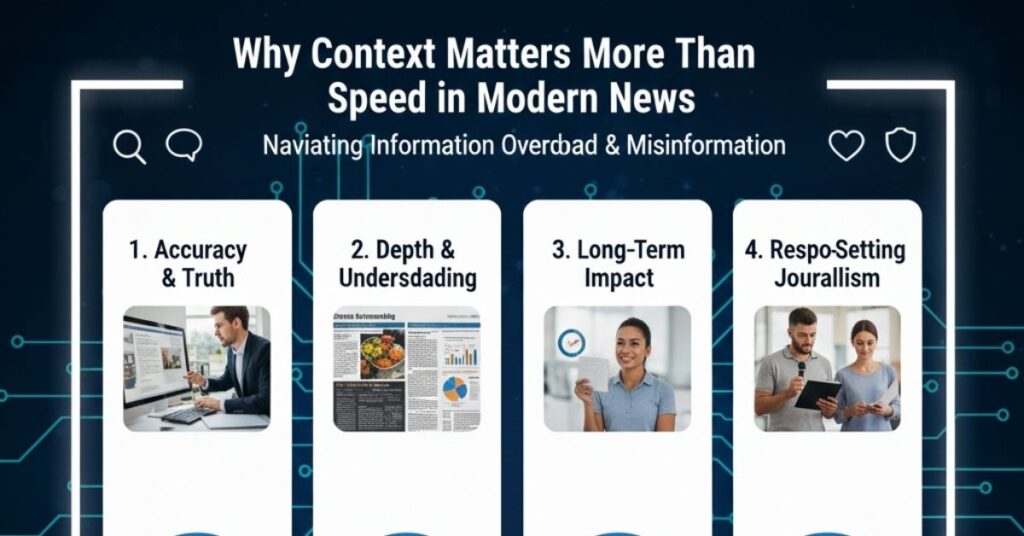
In today’s digital age, most people do not read full news articles. Instead, they scan headlines while scrolling through social media or news apps. These short lines of text often decide what people believe, feel, and share. Because of this, headlines play a powerful role in shaping public opinion.
Understanding how headlines shape public opinion helps readers become more aware, critical, and informed. In this article, we explore how headlines influence thoughts, emotions, and behavior, and why careful reading matters more than ever.
What Is a Headline?
A headline is the title of a news story. Its main purpose is to grab attention and summarize the main idea of the article.
Headlines are designed to:
- Attract readers
- Highlight key points
- Create interest or urgency
Because headlines are often the first — and sometimes only — thing people read, their impact is very strong.
Why Headlines Matter So Much
Headlines act as mental shortcuts.
Reasons headlines are powerful:
- People have limited time
- Information overload is common
- Social media encourages fast reading
As a result, many opinions are formed based on headlines alone, not full context.
1. Headlines Shape First Impressions
First impressions matter.
Headline impact:
- Sets the tone of the story
- Influences how readers interpret details
- Frames the topic emotionally
Once a first impression is formed, it is hard to change, even with new information.
2. Headlines Influence Emotional Reactions
Headlines often use emotional language.
Emotional triggers include:
- Fear
- Anger
- Hope
- Shock
Emotion-driven headlines increase engagement but can also distort understanding.
3. Headlines Frame Issues and Narratives
Framing means how a story is presented.
Framing effects:
- Highlights certain details
- Downplays others
- Shapes interpretation
The same event can feel positive or negative depending on the headline.
4. Headlines Encourage Confirmation Bias
People prefer information that supports their beliefs.
Headlines reinforce bias by:
- Using selective language
- Targeting specific audiences
- Confirming existing opinions
Readers often accept headlines that align with what they already believe.
5. Headlines Spread Faster Than Full Stories
On social media, headlines travel fast.
Why this matters:
- Headlines are shared without reading articles
- Misinformation spreads quickly
- Context is often lost
A misleading headline can influence thousands before corrections appear.
6. Sensational Headlines Drive Engagement
Sensationalism increases clicks.
Common tactics include:
- Exaggeration
- Dramatic wording
- Clickbait phrases
While effective for attention, sensational headlines can mislead the public.
7. Headlines Influence Political and Social Opinions
Public opinion shapes society.
Headline influence includes:
- Political attitudes
- Social debates
- Public trust
Repeated exposure to certain headlines can shift collective beliefs over time.
8. Headlines Affect Memory and Understanding
People remember headlines more than details.
Memory effects:
- Simplified understanding
- Strong emotional recall
- Long-lasting impressions
Even when articles are forgotten, headlines often remain.
9. Headlines Can Oversimplify Complex Issues
Complex topics need explanation.
Oversimplification risks:
- Misunderstanding
- Polarization
- Poor decision-making
Short headlines often fail to capture full complexity.
10. Algorithms Amplify Headline Impact
Digital platforms reward engagement.
Algorithm effects:
- Emotional headlines spread wider
- Balanced headlines get less reach
- Popular opinions dominate
This increases the influence of strong headlines on public opinion.
11. Responsible Headlines Build Trust
Not all headlines are misleading.
Ethical headlines:
- Reflect article content accurately
- Avoid emotional manipulation
- Provide clarity
Trustworthy headlines support healthy public discussion.
12. How Readers Can Protect Themselves
Readers play a role in reducing headline influence.
Smart reading habits:
- Read full articles
- Compare multiple sources
- Question emotional language
Critical reading reduces manipulation.
13. How Journalists Can Improve Headline Quality
Journalists influence public understanding.
Better practices include:
- Accuracy over clicks
- Balanced wording
- Contextual framing
Responsible journalism strengthens public trust.
Headlines, Learning, and Critical Thinking
Understanding media influence requires education and awareness. Platforms like
kappa course support learning, critical thinking, and media literacy—skills that help people recognize how headlines shape opinions and make more informed judgments.
The Long-Term Impact of Headlines
Repeated headlines shape society.
Long-term effects:
- Cultural narratives
- Public attitudes
- Social divisions or unity
Headlines help define what society talks about and how it thinks.
Common Myths About Headlines
Some believe headlines are harmless.
Myths include:
- Headlines do not matter
- People always read full stories
- Headlines are neutral
In reality, headlines strongly influence beliefs and behavior.
Final Thoughts
Headlines shape public opinion by influencing emotions, framing narratives, and guiding attention. In a fast-paced media world, headlines often become the main source of information for many people.
Being aware of this influence helps readers become more thoughtful and informed. Headlines should guide curiosity, not replace understanding. When readers slow down and seek context, public opinion becomes stronger, fairer, and more accurate.
In the end, headlines do not just report news—they shape how the world is understood.
Read Also: The Difference Between News, Opinion, and Analysis