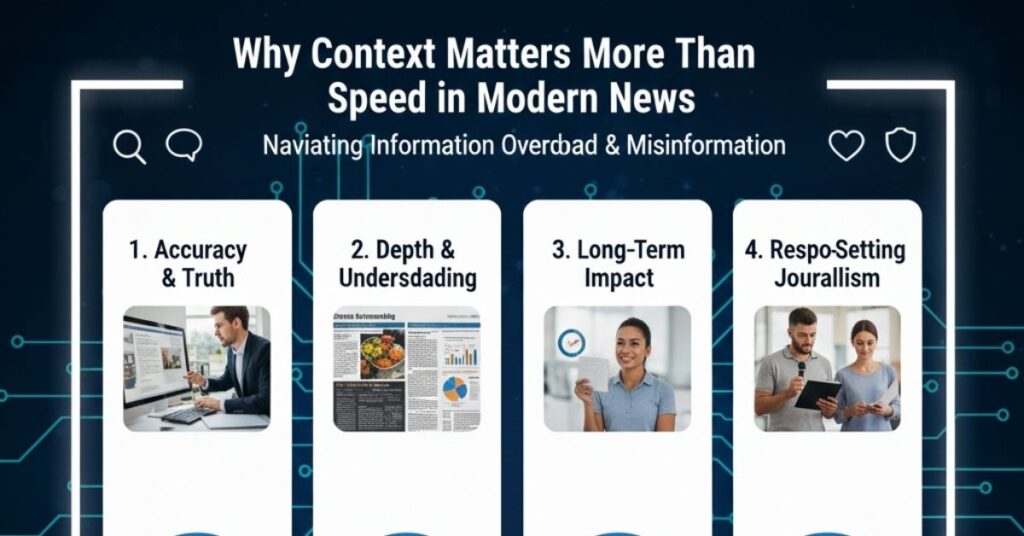
Around the world, trust in news media is falling. Many people no longer believe that news organizations are fair, accurate, or independent. Audiences question headlines, doubt sources, and often turn to social media or personal networks instead of traditional news outlets.
Understanding why trust in news media is declining globally helps explain changes in how people consume information today. In this article, we explore the main reasons behind declining trust and what can be done to rebuild credibility.
Why Trust in News Media Matters
Trust is the foundation of journalism. When people trust the news, they rely on it to make decisions about health, politics, finances, and society.
When trust declines:
- Misinformation spreads more easily
- Public confusion increases
- Social divisions grow
- Democratic processes weaken
A trusted media system is essential for informed societies.
1. Rise of Misinformation and Fake News
One of the biggest reasons for declining trust is misinformation.
Problems include:
- False stories spreading online
- Manipulated images and videos
- Unverified social media posts
When people cannot tell what is true, they begin to distrust all news.
2. Speed Over Accuracy in Modern Journalism
The race to be first often replaces the goal of being accurate.
Speed-related issues:
- Incomplete facts
- Incorrect early reports
- Frequent corrections
Audiences lose confidence when news changes repeatedly.
3. Sensational and Clickbait Headlines
Headlines are designed to attract attention.
Clickbait problems:
- Exaggerated claims
- Emotional manipulation
- Misleading summaries
When headlines do not match content, readers feel deceived.
4. Perceived Political and Ideological Bias
Many audiences believe news outlets take sides.
Bias concerns include:
- Selective reporting
- Opinion mixed with news
- Favoring certain viewpoints
Even when journalism is factual, perceived bias damages trust.
5. Blurring of News, Opinion, and Analysis
Modern media often mixes formats.
Confusion occurs when:
- Opinions look like facts
- Analysis feels persuasive
- News lacks clear labeling
This makes readers unsure what to believe.
6. Social Media Changed News Consumption
Social platforms transformed how news spreads.
Social media effects:
- Algorithms favor emotion over accuracy
- Viral content spreads faster than verified news
- Echo chambers reinforce beliefs
People trust familiar voices more than professional journalism.
7. Decline of Local Journalism
Local news builds strong community trust.
Problems with local media decline:
- Fewer reporters
- Reduced accountability
- Less community connection
Without local context, news feels distant and impersonal.
8. Corporate and Commercial Pressures
Many news organizations depend on advertising.
This creates concerns about:
- Profit over truth
- Sponsored content
- Conflicts of interest
Audiences question whether business goals influence reporting.
9. Repeated Errors and Corrections
Mistakes happen, but frequent errors hurt credibility.
Trust declines when:
- Corrections are unclear
- Errors repeat
- Accountability feels weak
Transparency matters, but prevention matters more.
10. Lack of Transparency in Reporting
People want to know how news is made.
Transparency issues include:
- Unclear sources
- Anonymous reporting without explanation
- Hidden editorial decisions
Open journalism builds confidence.
11. Growing Polarization and Distrust
Societies are more divided than ever.
Polarization effects:
- Media becomes a target
- Audiences reject opposing views
- Trust becomes political
People trust news that agrees with them and reject the rest.
12. Declining Media Literacy
Many people lack tools to evaluate news.
Media literacy gaps include:
- Difficulty identifying sources
- Confusing opinion with facts
- Believing viral content
Without understanding media, trust erodes.
Impact of Declining Trust
Loss of trust affects society deeply.
Consequences include:
- Spread of conspiracy theories
- Reduced civic engagement
- Poor decision-making
Trust loss does not remove the need for news—it weakens it.
How News Media Can Rebuild Trust
Rebuilding trust takes time and effort.
Steps include:
- Prioritizing accuracy over speed
- Clear separation of news and opinion
- Transparent corrections
- Strong ethical standards
Trust grows through consistent behavior.
The Role of Journalists
Journalists shape public perception.
Responsible journalism includes:
- Fair reporting
- Multiple perspectives
- Honest mistakes and corrections
Professional standards matter more than ever.
The Role of Audiences
Audiences also play a role.
Responsible consumption includes:
- Reading beyond headlines
- Comparing sources
- Avoiding emotional sharing
Trust improves when readers engage thoughtfully.
Learning, Media Literacy, and Trust
Understanding how media works helps rebuild confidence. Platforms like
kappacourse support education, critical thinking, and media literacy—skills that help people better understand journalism and make informed judgments about news credibility.
The Future of Trust in News Media
Trust can be rebuilt.
The future depends on:
- Ethical journalism
- Informed audiences
- Transparent practices
Quality journalism still matters, even in a digital world.
Final Thoughts
Trust in news media is declining globally due to misinformation, speed-driven reporting, perceived bias, and changes in how news is consumed. While challenges are real, trust is not gone forever.
By prioritizing accuracy, context, transparency, and media literacy, news organizations and audiences can rebuild confidence together. A healthy information environment depends on mutual responsibility.
Trust is not demanded—it is earned. And in modern journalism, earning trust matters more than ever.
Read Also: Why Context Matters More Than Speed in Modern News